
Misting pumps from 7 to 300 bar.
High, mid and low-pressure misting pumps – triplex plunger, direct-drive and belt-driven – from Indian and international makers, with spares held for service.

- Range
- 7–300 bar
- Types
- Direct & belt drive
- Duty
- Continuous
- Spares
- Held in stock
The pump sets the droplet size
High-pressure misting pumps make the whole system more effective by creating a finer mist. Smaller droplets flash-evaporate and cool the area quickly – up to around 12 °C in dry heat. Misting pumps are used in almost every misting application, including dust and odour suppression.
A misting pump takes your normal hose pressure (around 7 bar / 100 psi) and raises it – typically to 1000 psi (about 70 bar) for cooling – to create droplets of around 5–10 microns. Our range starts at 7 bar (100 psi) and goes up to 300 bar (4500 psi).
- Interpump / Pratissoli
- Xylem Flojet triplex series
- CAT Pumps
- Annovi Reverberi
- Hawk
We supply these brands alongside our own pump sets and hold spares from the manufacturers for servicing.
Products in this range
Add items to your enquiry list and request a quotation.

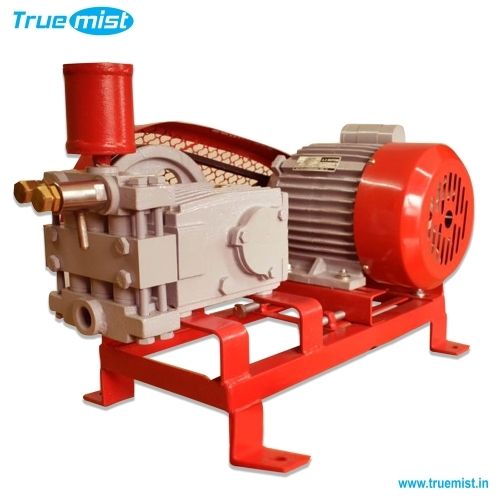
1000 psi Direct Drive Misting Pump
Direct drive High pressure misting pump supplier in india | Get misting pumps from industry leaders including Inter…

150 psi Booster Pump 24V DC
150 PSI MISTING PUMP BOOSTER PUMP 24V DC
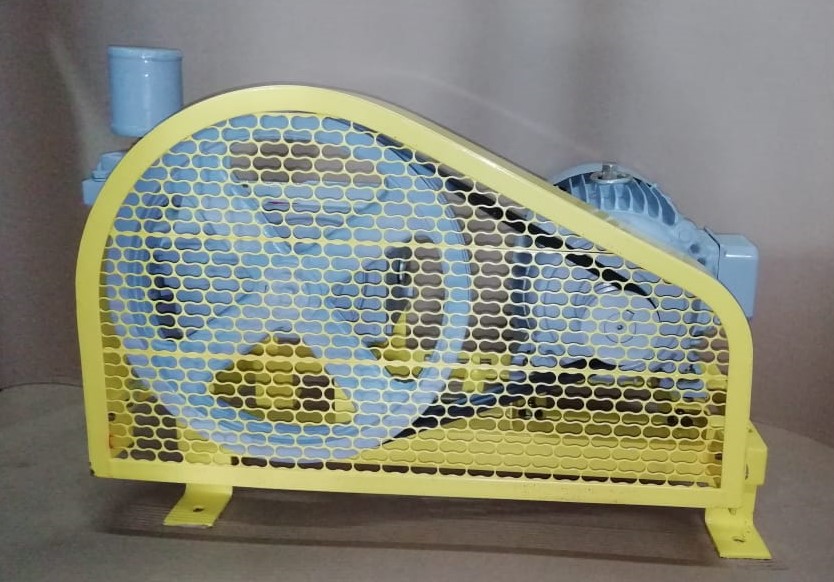
Belt Driven High Pressure Low flow Pump
Triplex Plunger pump India for misting system application Pressure above 45 bar
Mid Pressure Pump
Triplex Plunger pump India for misting system application (Mid pressure Pumps) Pressure range - 20 bar to 50…

Misting Pump 300 PSI / 20 BAR with 5 micron sediment filter
300 psi or 20 bar Medium Pressure misting pump | Belt Pully Driven High pressure Misting Pump

Mono Block Low Pressure Misting Pump
Specially designed monoblock booster misting pump in India

Xylem Flojet Triplex Series Pumps
Xylem offers Flojet Triplex High-Pressure Pumps supplier in India | Xylem diaphram pumps in India | Available in…
Related solutions and guides
Questions we are often asked
What is a triplex plunger pump?
A positive-displacement pump with three ceramic or steel plungers – the standard for high-pressure misting because it delivers steady pressure on continuous duty.
What pressure do I need?
About 70 bar for cooling and dust control, 70–140 bar for fogging, and lower for watering and simple home kits.
How do I size a misting pump?
Add up the flow of all nozzles at working pressure and add a margin; then choose motor and drive for the duty hours. See how to choose a misting pump.
How often should pump oil be changed?
About every 500 running hours; many businesses change it yearly and homeowners every 2–3 years.
Do you service pumps from other suppliers?
Yes, subject to spares availability.
Your application deserves the right system.
Share your operating conditions. Start with a conversation, not a pre-selected package.